1. Survey the space
The crew checks the whole property, including closets, vehicles, sheds and bathrooms where items may be tucked away.
Perry, IA · Dallas County
How do you clean a space after drug use in Perry? Call (877) 812-4220 to talk about removing sharps, clearing contaminated soft materials and disinfecting surfaces.
If anyone is in danger, call 911 first. For a suicide crisis, call or text 988.
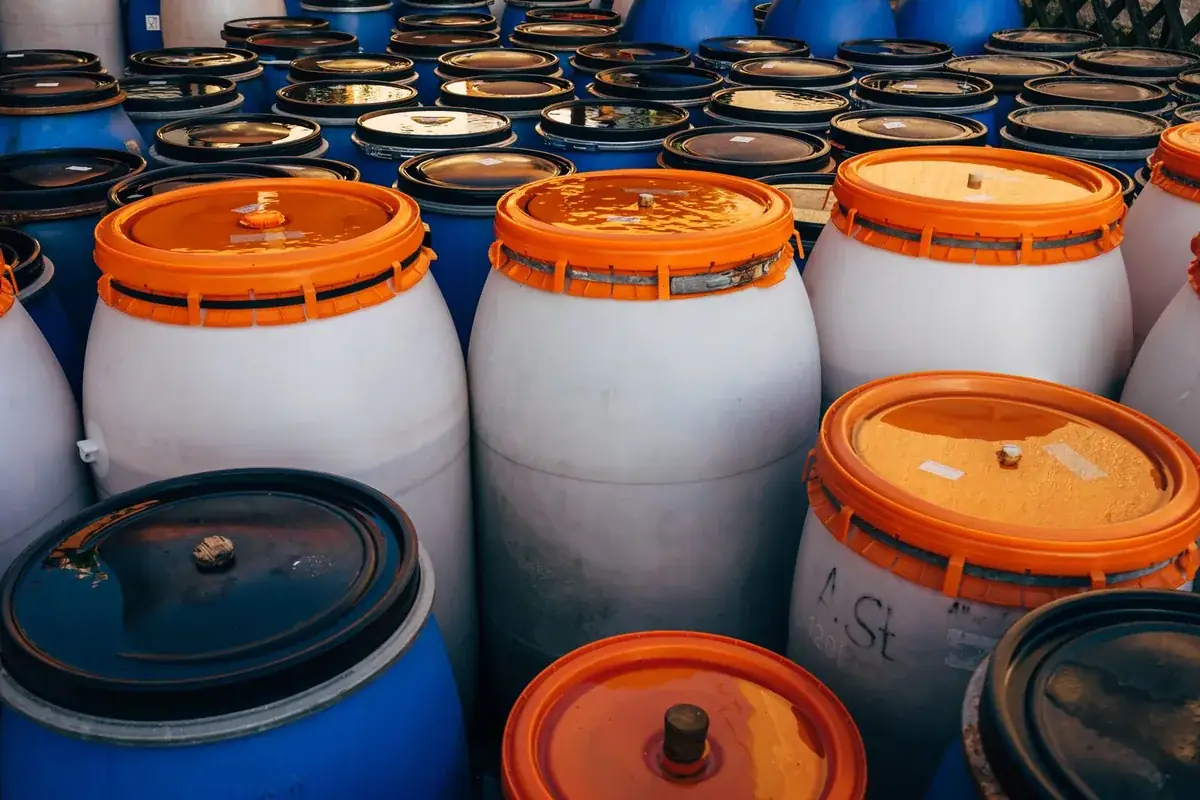
A drug paraphernalia sweep is a careful search of a home, room, vehicle or building for syringes and related items, including ones hidden in drawers, vents and seams of furniture.
Drug paraphernalia cleanup in Perry is a safety and dignity job, and you can ask Perry Biohazard Cleanup Help for that kind of care in Dallas County. The crew keeps details private, takes care with every item and explains what was done.
With about 36% of Perry households renting, a unit left in poor shape after a move-out is a common reason for a cleanup call. Emergency care for people in Perry is available at Dallas County Hospital in Perry. Cleanup can wait until everyone is safe.
What drug paraphernalia cleanup covers:
The crew checks the whole property, including closets, vehicles, sheds and bathrooms where items may be tucked away.
Needles and other sharps are lifted and sealed before anything else is moved.
Hospital-grade disinfectants go on hard surfaces. Odor treatment follows for lingering smells.
The crew cleans, checks, and walks the owner through what was done and what still needs attention.
The cost of drug paraphernalia cleanup in Perry, IA depends on the amount of material, how it is packed and how it is hauled.
Disposal of sharps and contaminated materials as regulated waste is part of the price, and it changes with the amount.
| Type of job | Typical range |
|---|
Figures are planning ranges from , not a price for any specific Perry property. Price drivers include amount of material, whether residue is present, surfaces affected, waste disposal. Call (877) 812-4220 any hour.
Crews wear protective gear, remove sharps and loose items, and then clean hard surfaces with EPA-registered disinfectants. Porous materials such as carpet, padding or upholstery that took in residue may be removed. The team can explain what applies to your space.
Standard paraphernalia cleanup is about removal, cleaning and disinfection. Testing is a separate step, usually tied to a site where drugs were made. Ask the team and the local health department what testing, if any, applies to your property.
Do not touch, sweep or smell it, and do not try to clean it up first. Keep children and pets away. If anyone touched or swallowed it, call Poison Control, or 911 in an emergency. Then call a cleanup team to remove it safely.
It can. Once soiled items are removed, a team can treat lingering odor in the air and on surfaces. Ask what methods the team uses and whether odor treatment is part of the plan or a separate step.
The owner of the property usually pays at first. Lease terms and local law decide who is responsible in the end. A landlord, an attorney or a tenant rights group can say. Keep any record the cleanup team gives you, since a landlord or insurer may ask for it.
Yes. A property owner can call a cleanup team to clear and clean a unit after a tenant leaves. Lease terms and local law decide who pays. Keep photos and records, and ask the team what documentation it can provide.
One call can start the cleanup of a room, a rental unit or a whole home.
Call (877) 812-4220